

 Dodaj wydarzenie
 Kalendarz
 Moje konto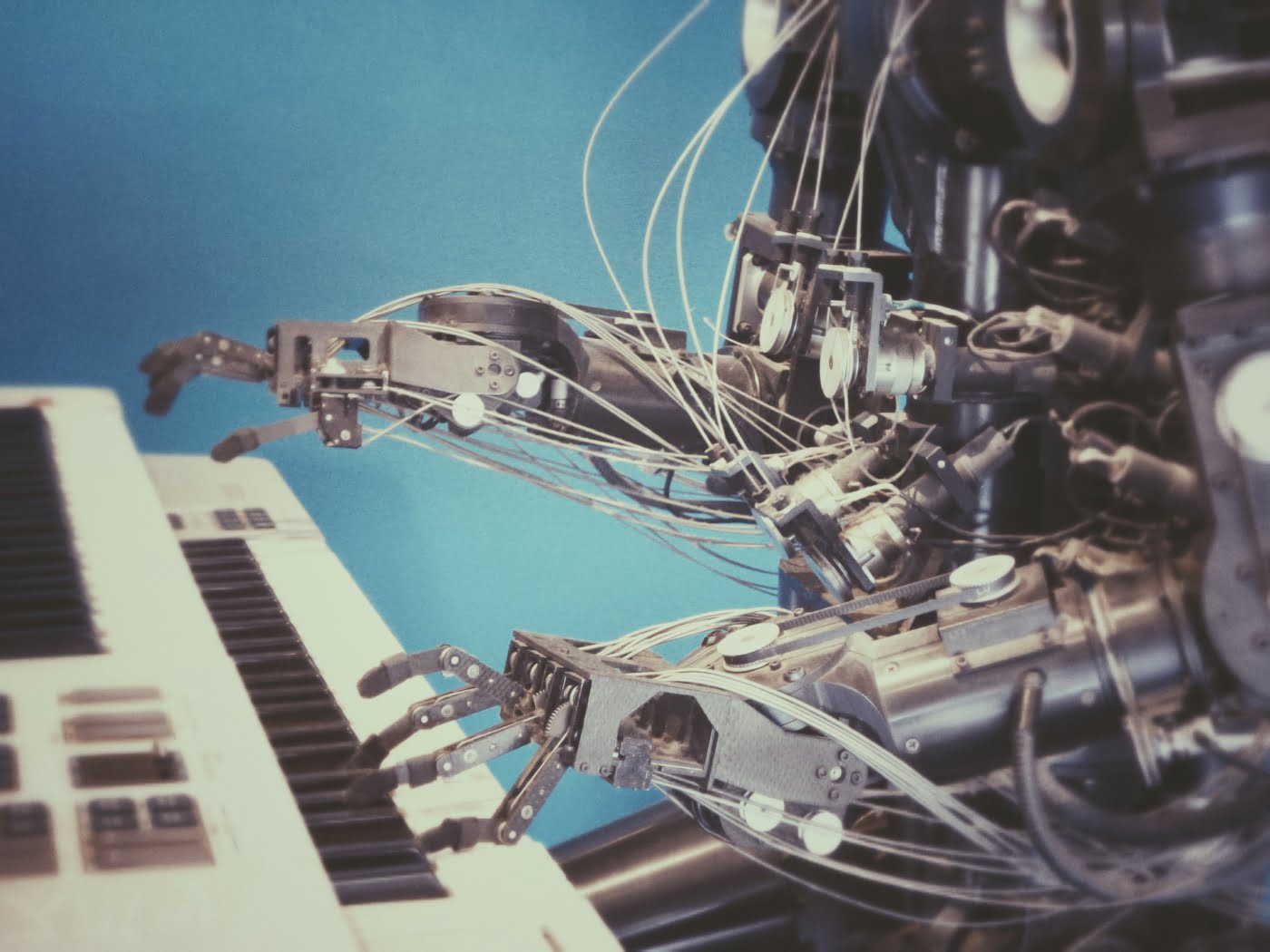


Computers have dominated our lives: they are present in offices, buses, cars, shops, cinemas, and restaurants. They improve communication, book tickets, ensure safety, and even inform us about an available doctor’s appointment. They are so quiet, perfect, and unobtrusive that we just don’t notice them. We do acknowledge their presence, though, when they start to malfunction. There are, however, places where the presence of algorithms still surprises us: among others, art galleries and concert halls, which we link to a space reserved exclusively for human genius. But the world is changing, and artistic creativity, through artificial intelligence, is becoming a domain of computers as well. Art and its future.
What do we need art for?
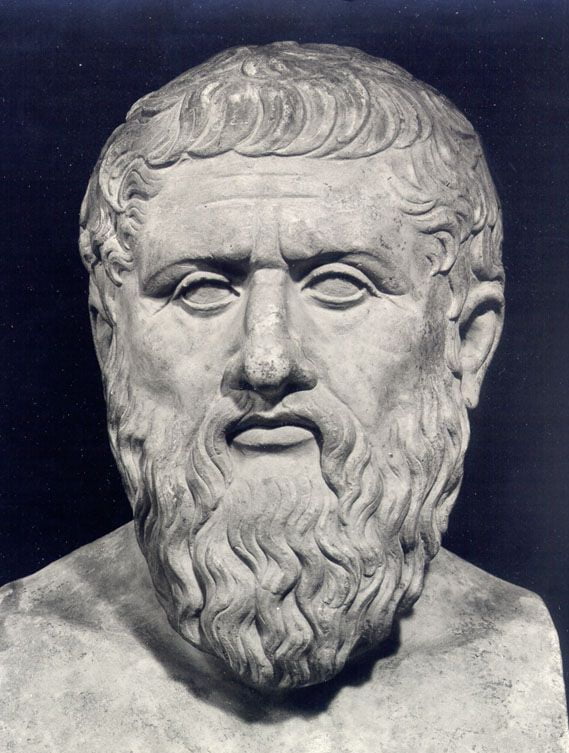
Since ancient times, humanity has pondered the essence of art. The Greek philosopher Plato, in his dialogue “The Republic”, wrote that art is nothing other than a faithful reflection of reality, namely the representation of physical objects which, in turn, are a reflection of ideas – the Forms, the pure forms. According to Plato, an artist’s duty comes down to pure mimesis, which means a faithful imitation of the physical world in the works of art. Was Plato right to deny the act of artistic creation the opportunity to convey the knowledge and truth? Perhaps in the act of creation we can discover something more – something that explains and orders reality? And finally, what or who makes us regard one painting as a work of art, while the other simply as a doodle? The answers to these questions are very important since they will determine the future of art in its human or computer-made form.
Let’s think for a while why we consider Mozart’s compositions to be musical masterpieces of all time, while disco polo songs are, to say the least, “controversial”? The essence lies, among others, in the skills the author must have possessed to create a work of a given level of complexity—a coherent and deliberate work that adds something new to our way of perceiving the world. When engaging with art, we get to know ourselves better (since cultural texts inspire us to reflect), and we can discover in ourselves the emotions the artist wrestled with when creating. This is precisely how Rembrandt’s and van Gogh’s paintings, Hermann Hesse’s novels, the poems of Arthur Rimbaud, and the operas of Ludwig van Beethoven affect us. Through them, we become different people, surely a little better.
Computers are taking the lead
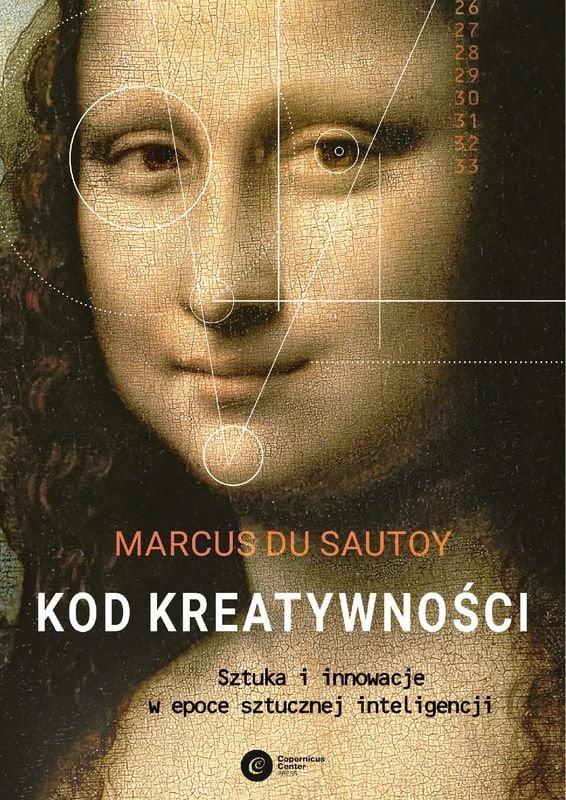
Well, there probably exists no other area of human activity that is more subjective and open to interpretation than artistic endeavor, because a song about polka-dot panties could, after all, be regarded by some as a piece that perfectly describes human desires. And while we are aware of the trillions of opinions that clearly define what art is, our individual feelings are crucial; the awareness that what we see, hear, or read is something unique, important, and relevant for us and others. And here-horror of horrors!-computers enter: tools created by humans, but programmed in such a way that they learn from mistakes, gain experience, draw conclusions.. and create works of art. Mathematician Marcus du Sautoy writes about it in his book “The Creativity Code: Art and Innovation in the Age of AI”. His publication is both magnificent and terrifying, since du Sautoy, using hundreds of examples, shows how modern algorithms are increasingly taking over places previously reserved for human activity.
A symbolic breakthrough took place when computers began winning at chess and Go (an ancient Chinese board game). First, in 1996, a computer called Deep Blue won against the chess grandmaster Garrin Kasparov, and later, AlphaGo, another computer designed by DeepMind company, defeated two top-skilled Go players: the three-time European champion Fan Hui and Lee Sedol, the South Korean champion. Consequently, it became apparent that computers, having nearly unlimited computing power, are capable of defeating even the most brilliant human minds. But can mathematical calculations possess a spirit that stimulates artistic inspiration?
Algorithms imitate Rembrandt
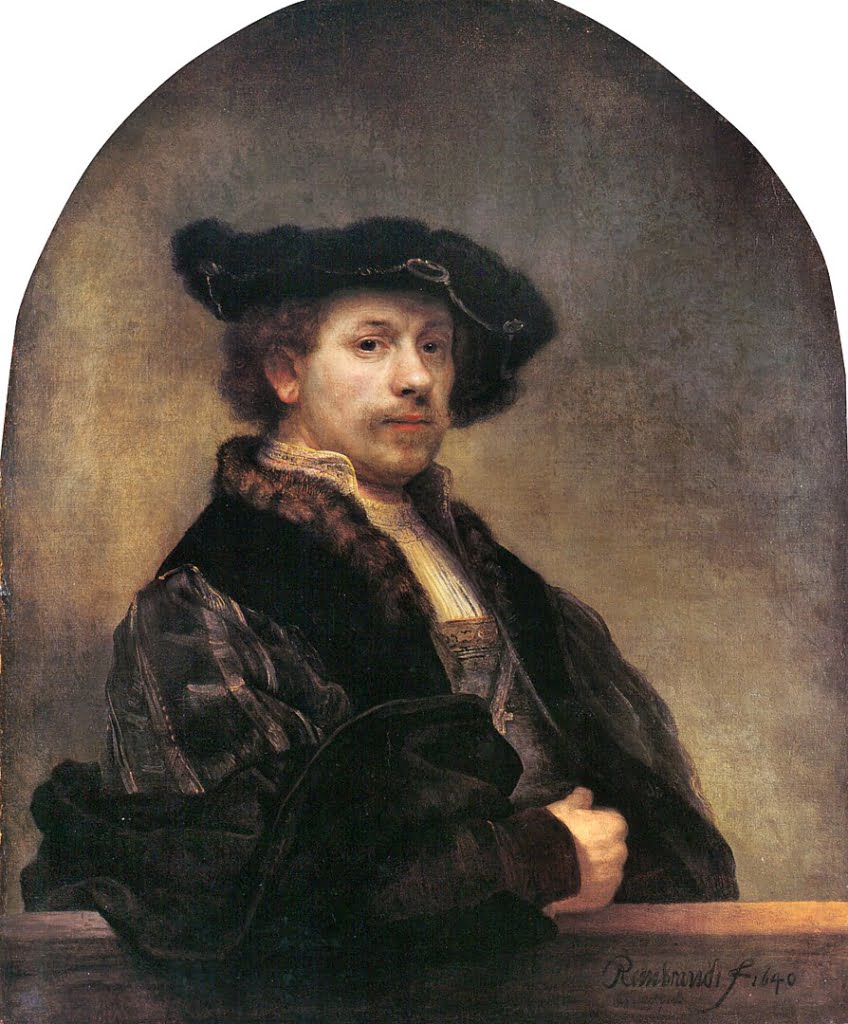
Du Sautoy describes a computer project that aimed to create a machine that could paint like Rembrandt. In 2016, a team of researchers from Microsoft and Delft University of Technology studied 346 of Rembrandt’s paintings, obtaining 150 gigabytes of digital graphics for analysis. Of course, it was the computer that did all the work for them: it was designed in a way to identify the sex and the age of the characters in the paintings, their gaze directions, and to analyze key facial features as well. Then the team chose the topic that would most likely interest Rembrandt. The computer’s task was to create a portrait of a man in his thirties or forties, with facial hair, wearing dark clothes, a collar, and a hat, looking to the right. This is how Marcus du Sautoy recounts the outcome of the project: “After 18 months of data processing and 500 hours of rendering, the team decided to present to the world the results of their work on resurrecting Rembrandt. On April 5, 2016, the painting was shown in Amsterdam and almost immediately sparked a great deal of public interest – the evidence of that is 10 million mentions on Twitter in just the very first days. The result was astonishing. It cannot be denied that the style of Rembrandt was captured. When faced with a question about the name of the artist, most would likely attribute it to the Rembrandt school”.
Is Rembrandt’s spirit captured in such a painting? Can it help us detect what the Dutch master once felt: what mood he was in, what dilemmas and joys he experienced? Most surely not! But what can we do when art boils down only to the use of tools: painting, film, theatre, music? How to interpret the act of creation in which neither skills nor sensitivity can be found, just perfectly mastered techniques (even those highly complex, requiring effort and intelligence)? Well, then, computers have truly something to boast about. Today, 4 years after the experiment with Rembrandt’s painting, the algorithms can conclude data even more precisely, learning from their mistakes, and optimizing their actions. And that’s why they’re more willing to reach for literature.
Gibberish or literature?
“Your head is burning with you / and it can’t fly / Eclectic shadows reveal the sky / Listen to the wild rose in an old man’s gaze” – these are fragments of a mysterious poem written by a computer, based on motifs characteristic of 19th-century poetry. Google’s algorithm was tasked with the analysis of tens of millions of words contained in the poems, and suggesting a literary text based on a single word entered by a user into a computer’s interface. Such an experiment was proposed to participants of London’s Design Festival in 2018. Here is the 19th-century poetry made by the cybernetic mind, fully deprived of emotions.
So, what will the future be like? Will artists still be needed due to the rapid advancement of artificial intelligence? Will we be able to distinguish the work of a human from the work of a computer? Will such a distinction have any value? Of course, there is no doubt that we’ll still need painting, sculpture, literature, and music, for we won’t be able to cope without introspection, self-analysis, and the ability to look deep within ourselves. And this is what we’re offered by art filtering the world around us and ourselves, allowing us to see what lies beyond a rational, mathematical perspective. Maybe computers skilled at concluding from the sea of digital data (and they do it much better than we do!) will tell us more about ourselves and our most brilliant living artists? One thing is sure: the future will unquestionably surprise us.
Dominik Sołowiej – Journalist, publicist, and owner of the Studio DS Info Advertising Agency (www.studiodsinfo.pl). He has collaborated with numerous companies and public institutions, creating and implementing marketing strategies. He is interested in political marketing, public relations, and new media.
Translation: Izabela Gąsienica
Source:
– Marcus du Sautoy, Kod kreatywności. Sztuka i innowacja w epoce sztucznej inteligencji, wydawnictwo Copernicus Center Press, Kraków 2020.
– https://naekranie.pl/aktualnosci/sztuczna-inteligencja-google-potrafi-pisac-wiersze
Did you like our article? Check out other music news!
Read also: Józef Skrzek – a multitalented musician. Do you know his songs?